
Fermenting
Horseradish Fermented Dill Pickles
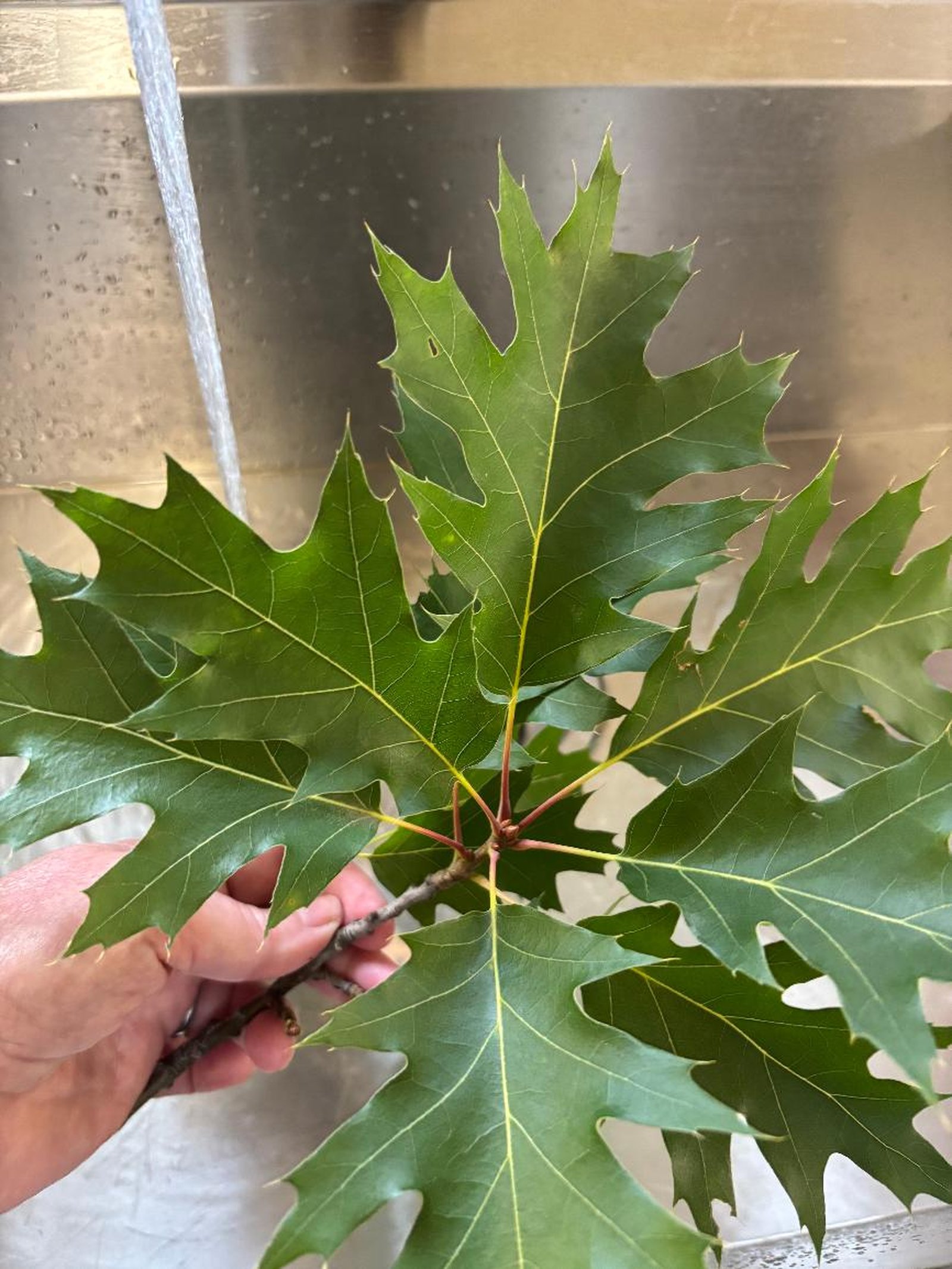
A spicier twist on the classic — fresh horseradish root adds real heat and extra crunch, while an oak leaf keeps things crisp. Same safe lacto-fermentation method, just with a kick.
Ingredients
- 1 quart-size wide-mouth jar
- 1 lb pickling cucumbers, washed, ends trimmed
- 3 garlic cloves, peeled and lightly smashed
- 2 fresh dill heads or 1 tbsp dried dill seed
- 1 tsp black peppercorns
- ¼ tsp red pepper flakes (optional)
- 1 oak leaf, for crispness
- 1½ tbsp fresh horseradish root, peeled and thinly sliced
- 3 tbsp fine sea salt or pickling salt (non-iodized)
- 4 cups filtered or non-chlorinated water
Steps
- Prep the jar and cucumbers. Wash cucumbers well and trim off blossom ends.
- Make the brine. Dissolve the salt completely into the water. Stir until the water runs clear.
- Layer the aromatics and horseradish. Place garlic, dill, peppercorns, red pepper flakes, oak leaf, and sliced horseradish root into the bottom of the jar.
- Pack the cucumbers. Pack cucumbers tightly without crushing, leaving about 1 inch of space at the top.
- Cover with brine. Pour brine over the cucumbers until fully submerged. Add a fermentation weight to keep everything down.
- Set to ferment. Loosely cover so gases can escape. Set on a plate, out of direct sunlight, at room temperature.
- Ferment 3-10 days. Check daily for bubbling. Skim any harmless white film. Start tasting on day 3 — the heat mellows slightly as fermentation continues.
- Refrigerate. Once the flavor and heat are where you want them, seal and refrigerate.
Notes
Fresh vs. dried horseradish: use fresh root, not prepared/jarred horseradish, which contains vinegar and would interfere with fermentation.
Adjust the heat to taste: start with 1-2 tbsp sliced root for mild, up to 3-4 tbsp for a stronger kick.
Same safety rule as always: 3.5% salt brine — don't reduce the salt.
Horseradish root contributes its own crispness-preserving compounds, so between the root and the oak leaf, these tend to stay extra crunchy.